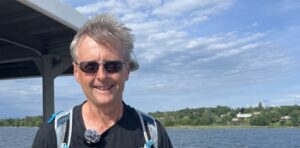
Deep in rural Japan, broadcaster and travel storyteller Mark Cummings discovers that the most compelling travel stories aren’t always about the places we visit, but the people who call them home.
Some travel adventures come with a ready-made story. The angle is obvious, the narrative writes itself, and the hook is impossible to miss. Others take a little more digging.
Finding a unique angle for my recent travels hadn’t been difficult. I spent a week with a Bedouin tribe in Egypt’s White Desert after they invited me to stay via Instagram. I explored a region still reeling from a devastating earthquake and facing the prospect of an invasion by China. And on my journey back to the UK, I set out to discover whether Shanghai was worth leaving Pudong Airport for during a short transit.
Each adventure had a clear storyline. But deep in rural Japan, I faced a different challenge.
Travel journalism is evolving rapidly, with thoughtful, well-crafted YouTube content becoming an increasingly important part of the storytelling mix. Walk Japan has been delivering authentic, immersive tours since 1991, and I had the pleasure of joining one of its Kumano Kodo pilgrimages in 2024. This time, I was invited back to capture the story of the company’s community work in a ten-minute film.
The challenge? How do you distil decades of connection, collaboration and genuine affection for a place into just ten minutes?
Walk Japan’s roots in the local community run deep, with countless stories, fascinating personalities and subtle nuances to explore. There was so much to tell that I initially struggled to find a starting point.
Then, after spending several days embedded with the team on the remote Kunisaki Peninsula, the penny finally dropped.
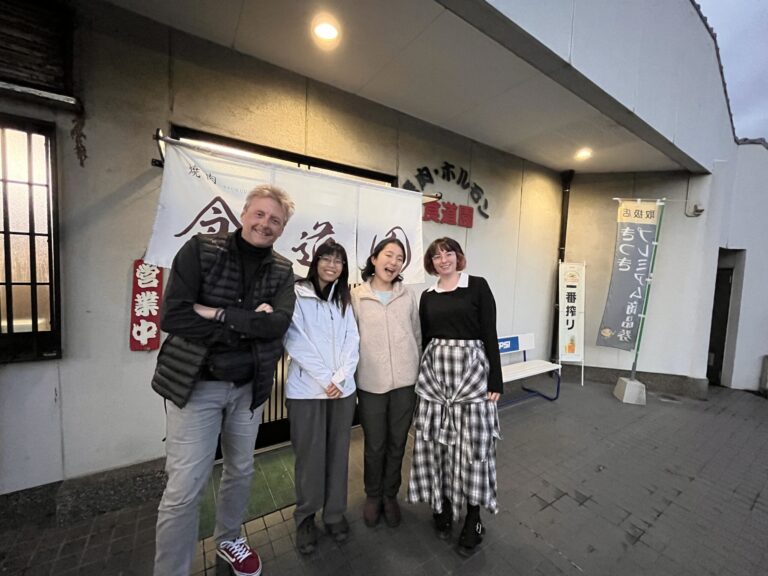
As I explored the valleys where they live and work, I began to understand not just what Walk Japan does, but why it matters. I met people whose lives are intertwined with the landscape and with one another, and whose individual stories bring the company’s wider mission to life.
Four people emerged as the natural protagonists of the film.
Paul Christie: The man who found his home in Japan
Charismatic and a workaholic, Paul is the CEO of Walk Japan. He first visited the area four decades ago and was so moved by the warmth and hospitality of the local community that he decided to build a life here.
Today, Japan is home. His children are growing up here, his roots are firmly established, and it’s difficult to imagine him living anywhere else.
His story is the starting point for understanding Walk Japan’s enduring connection with the communities it works alongside.
Etchan: The heart of the valley
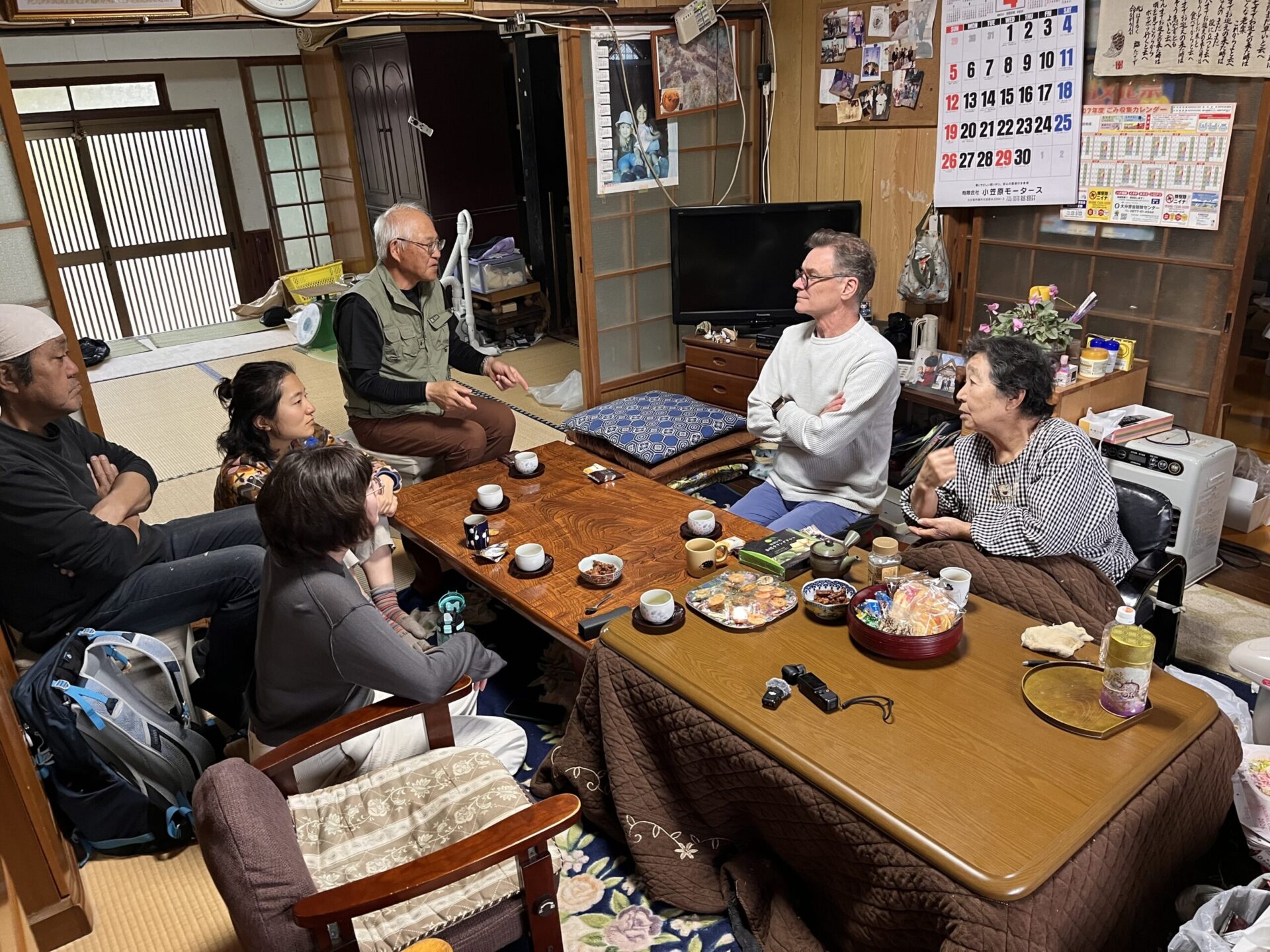
If Paul represents the beginning of the story, Etchan embodies its spirit. The valley’s much-loved matriarch, she was the person who showed Paul such kindness and hospitality all those years ago. That same generosity continues to draw people from far and wide to her farm, where tea, conversation and a warm welcome are part of everyday life.
Walk Japan’s tours include an audience with Etchan, as well as a wander through her shiitake mushroom woodland. It’s an opportunity to experience rural Japanese life through someone who has been at its heart for generations.
Aki: A new generation taking root
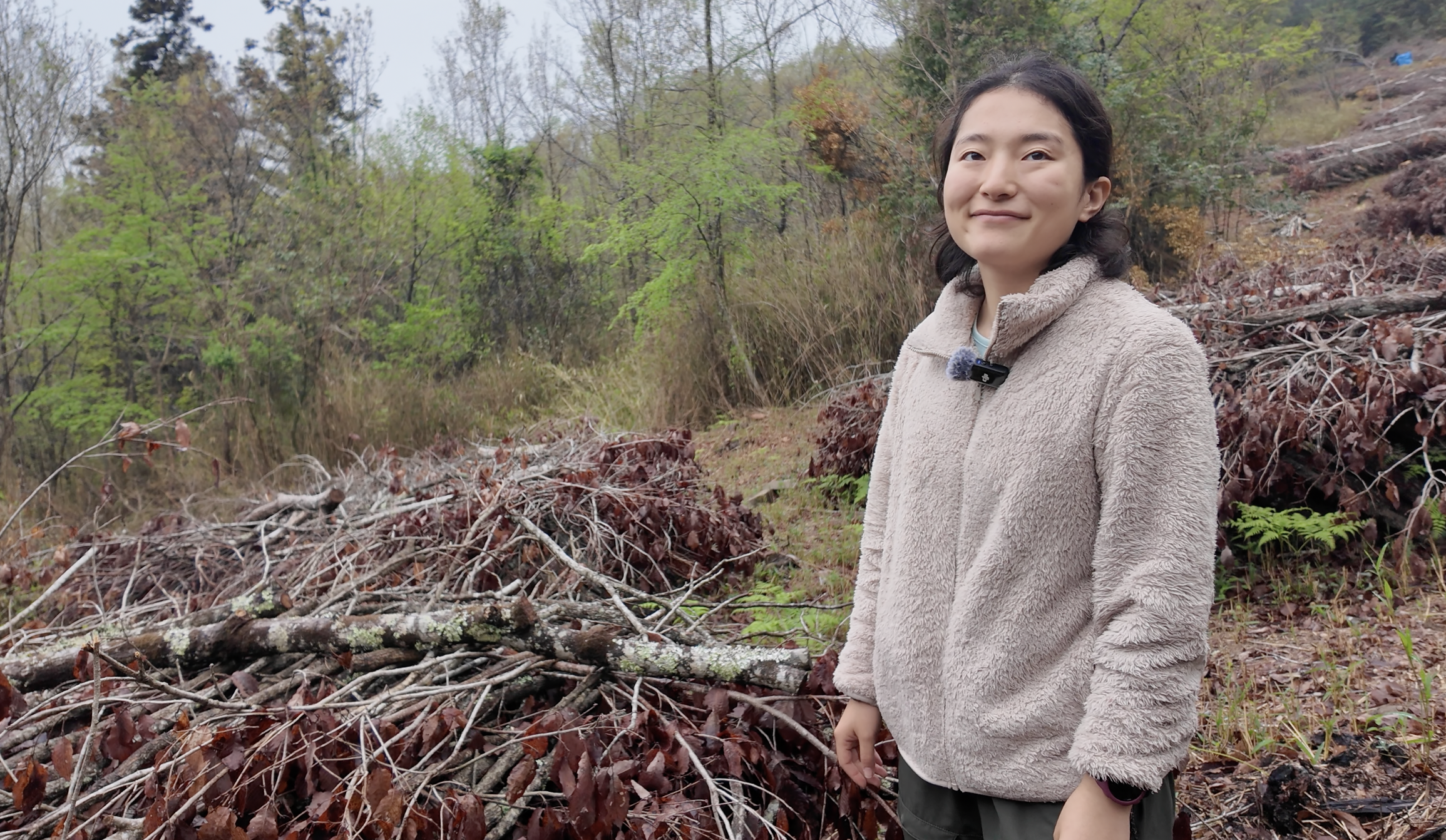
In her early twenties, Aki brings a contagious enthusiasm for life, a deep appreciation of nature and an impressive appetite for hard work. She represents the future of the Kunisaki Peninsula and the importance of protecting and revitalising rural farmland.
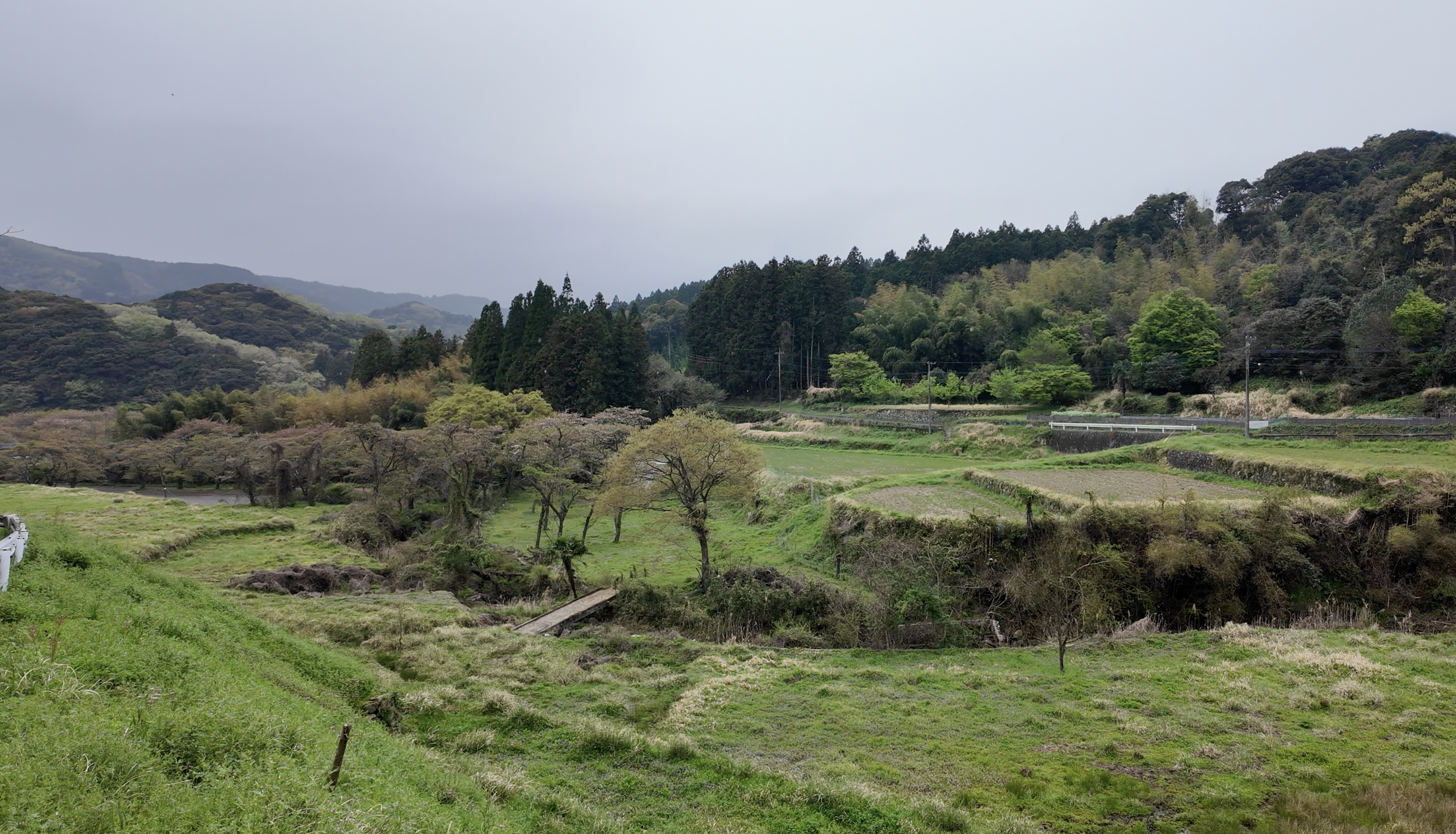
As Japan’s rural population declines, centuries-old agricultural landscapes risk being abandoned when farmers retire or pass away without anyone to take over. Walk Japan’s team helps ensure this land remains productive, preserving not only the landscape but also the knowledge, traditions and hard work invested in it over generations.
Aki is part of that next chapter.
Mihoko Christie: The whirlwind making things happen
Known affectionately as Mimi, Mihoko Christie is President of The Japan Travel Company, the in-country operations organisation responsible for running Walk Japan’s tours.
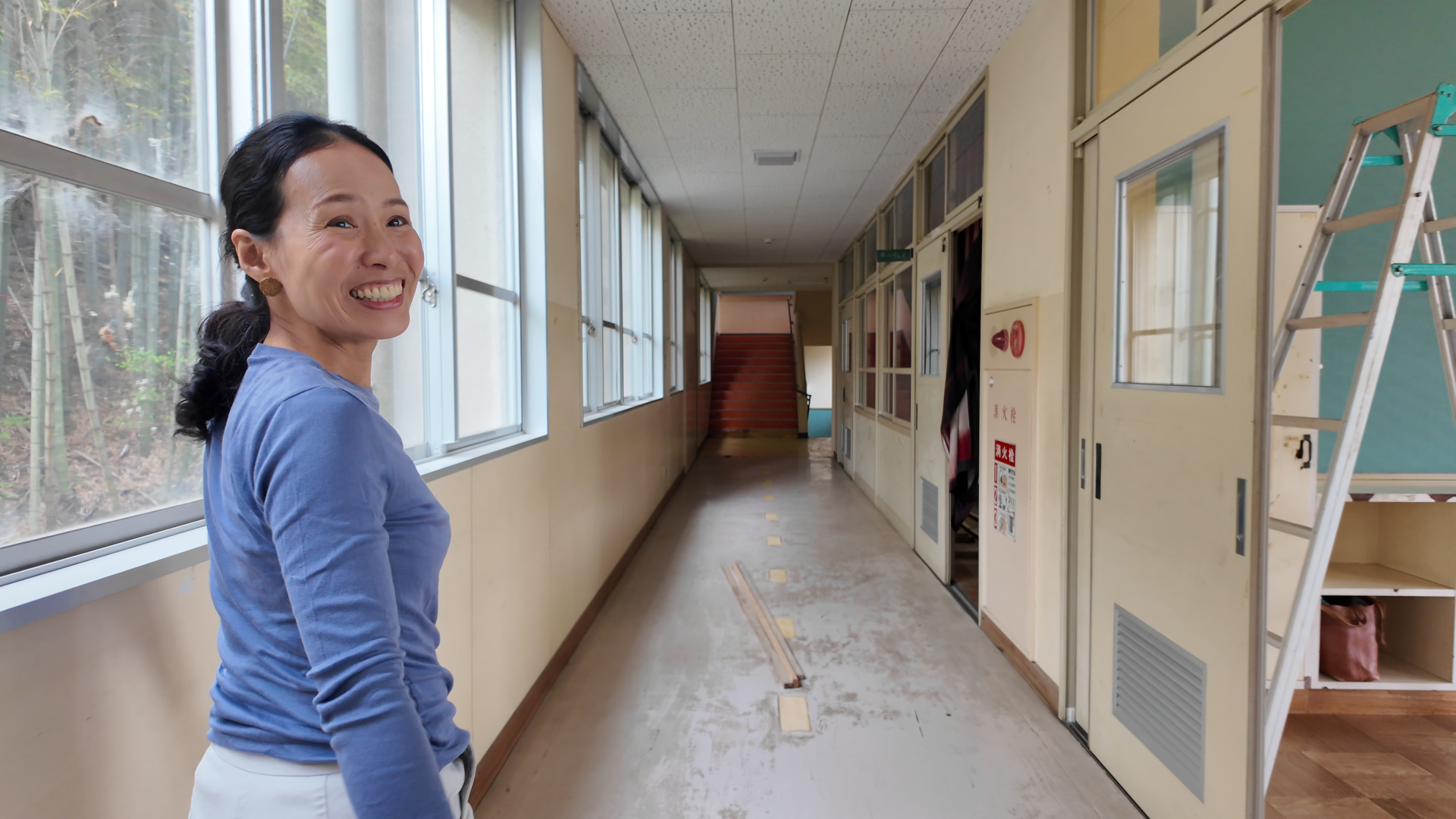
Describing her as a whirlwind of multitasking brilliance barely does her justice. Deeply involved in community projects, she has created a safe, welcoming space in a converted school where local people can relax, connect, share ideas and get creative.
She also manages to keep her husband, Paul, under a degree of control, which is no mean feat in itself!
The people behind the place
I’m now piecing together the footage for the film, and these four individuals have become its central characters. Each offers a different perspective on what makes Walk Japan special: a sense of belonging, the generosity of local people, the preservation of rural traditions and a commitment to creating a sustainable future for the communities that welcome its travellers.
I’ve been a storyteller all my life, working in radio and television with the BBC, but what makes this particular story special is the realisation that it isn’t simply about a tour operator.
It’s about people, place and the relationships that develop when you invest in a community over decades rather than simply pass through it.
And perhaps that was my eureka moment. Sometimes the best travel stories aren’t the ones you set out to find. They’re the ones that reveal themselves when you take the time to listen.
Find Out More
To discover more about Walk Japan’s tours, community projects and opportunities to volunteer alongside the team, visit walkjapan.com.
To follow more of Mark Cummings’ travel adventures and watch his videos, visit markcummingsandgoings.com.